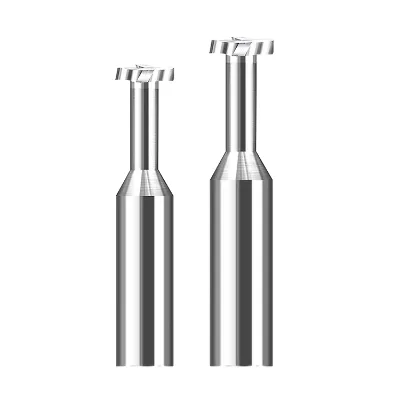
Source Tungsten Steel Round Table Cutter for Aluminum, Wood, and Plastic
Find 30 tungsten steel round table cutter options from Chinese manufacturers. Compare specifications like HRC hardness, flute count, and shank diameter for industrial applications in paper mills, rubber, and electronics; compare the available evidence and request quotations based on your requirements.
Key considerations
Products List







Comprehensive Sourcing Guide
Tungsten Steel Round Table Cutter Sourcing Guide
Buyers must first distinguish between industrial cutting blades designed for heavy-duty material separation and precision rotary cutters used in CNC machining. The observed market data indicates a split in product attributes, with some listings specifying applications in paper mills, rubber, and cloth processing, while others target aluminum, wood, and acrylic machining. This distinction is critical because the mechanical stress and wear patterns differ significantly between these two usage profiles. A procurement strategy that conflates these categories risks selecting a tool with insufficient hardness for industrial slitting or excessive bulk for fine-detail milling operations.
The observed product range includes specific model numbers like TCC80-100-120 and TCCB350-200-300, alongside detailed carbide rod specifications such as D1.50.5H and D20.6H configurations. These identifiers suggest that the market offers both standardized industrial knives and highly customized CNC end mills with varying flute counts and shank diameters. Buyers should verify whether the specific listing matches their machine interface requirements, as the observed data shows shank diameters ranging from 4mm to 20mm and cutting lengths that vary from 0.5mm to 5mm. Confirming the exact geometry before ordering prevents compatibility issues with existing CNC centers or general-purpose lathes.
Product Scope and Observed Listing Signals
The primary signal for product scope is the material composition, which consistently appears as alloy steel or tungsten carbide across the observed listings. This material choice directly correlates with the observed hardness ratings of 60HRC and 65HRC, indicating a focus on durability and resistance to wear during high-speed cutting. Buyers should note that while some products are described as having good impact resistance, others emphasize high purity levels exceeding 98%, which is a specific metric relevant to chemical or medical applications rather than general industrial use. Understanding this material variance helps in filtering listings that do not meet the specific performance demands of the intended application.
Packaging and origin data provide further context on the product's intended logistics and market positioning. The observed listings frequently mention wooden boxes or carton packing, with origins traced to Maanshan, Anhui, and Shandong, China. These locations are known manufacturing hubs for cutting tools, yet the specific factory details remain generic in the provided data. Buyers must treat the "New" condition and "Customized" availability as standard observations rather than guarantees for every unit. It is essential to verify the actual condition and customization capabilities of the specific supplier, as the general listing data may not reflect the state of individual inventory batches.
Technical Specifications to Verify
Verification of the cutting geometry is paramount, as the observed data lists specific flute counts ranging from 4 to 6 and varying cutting edge lengths of 16mm. The model numbers provided, such as D1.50.5H0.73D*4NL, encode critical dimensions including diameter, height, and flute length that must align with the buyer's machining parameters. A mismatch in these specifications can lead to poor surface finish or tool breakage, particularly when machining materials like acrylic or aluminum. Buyers should cross-reference the listed cutting direction, noted as conventional milling, against their machine's operational capabilities to ensure compatibility.
The manufacturing process and surface treatment are equally critical technical factors that influence tool life and performance. The data indicates processes such as stamping, casting, and CNC milling, alongside surface treatments like polishing or uncoated finishes. These variations suggest that different suppliers may use distinct production methods that affect the final tool's precision and edge retention. Buyers must request detailed process documentation to confirm whether the tool was manufactured via CNC milling for high precision or other methods that might suit different tolerance requirements. Confirming the specific coating status, whether uncoated or otherwise, is also necessary to predict performance in specific material environments.
Compliance and Safety Documentation
Compliance verification should begin with the certification status, as the observed listings cite CE and ISO 9001 standards, though the specific manufacturing process linked to each certification varies. Some entries associate ISO 9001 with casting processes, while others link it to CNC milling, creating a need for buyers to request the specific certificate that corresponds to the actual production method of the ordered item. Relying on a generic certification claim without verifying the scope of the audit can lead to non-compliance with local safety regulations or customer quality requirements. Buyers must ensure the certification covers the specific manufacturing facility and process used for their order.
Safety documentation must also address the intended application environment, which ranges from paper mills to aviation and electronics sectors. The observed data mentions applications in chemical and medical fields, which often require stricter adherence to material purity and safety standards than general industrial use. Buyers should verify that the supplier provides material safety data sheets (MSDS) or equivalent documentation confirming the tool's suitability for these sensitive environments. Without explicit documentation linking the product to these specific high-risk applications, the buyer assumes the risk of using a tool that may not meet the necessary safety protocols for their specific industry.
Cost Drivers and Commercial Terms
Cost drivers in this category are heavily influenced by the material composition and the level of customization required. The observed data highlights the use of tungsten carbide and alloy steel, which are premium materials that drive up the base cost compared to standard steel tools. Additionally, the availability of OEM and ODM services suggests that custom geometries or branding will incur additional charges beyond the standard unit price. Buyers should anticipate that the price range of 0 to 2500 USD reflects a wide spectrum of product complexity, from simple single-item purchases to large-scale customized orders.
Commercial terms such as MOQ and lead times are variable, with observed minimum order quantities ranging from 1 piece to 2000 units. This flexibility allows buyers to test the market with small orders but may result in higher per-unit costs for low-volume purchases. The observed selling units are listed as single items, yet the high-end MOQ suggests that bulk pricing is available for larger commitments. Buyers must negotiate terms that balance their immediate inventory needs with the cost benefits of larger orders, ensuring that the supplier can meet the required delivery schedule without compromising on the quality of the tungsten steel components.
Supplier Qualification and Quality Control
Supplier qualification should focus on verifying the manufacturing origin and the specific production capabilities claimed in the listing. The data points to origins in Maanshan and Shandong, China, which are established regions for tool manufacturing, but buyers must confirm the specific factory's capacity to handle their required volume and customization. The presence of "Customized" and "OEM ODM Accepted" attributes indicates a willingness to adapt, but this must be backed by a proven track record of quality control in those specific custom processes. Buyers should request evidence of the supplier's ability to maintain consistency across different production batches.
Quality control verification must extend to the physical attributes of the product, such as the observed hardness ratings and surface finish. The listed HRC values of 60 and 65 provide a benchmark, but buyers should insist on third-party test results or in-house quality reports that validate these claims for the specific batch being purchased. The observed surface treatments, including polishing, should be inspected to ensure they meet the required smoothness and precision standards. Without rigorous quality control checks, the risk of receiving tools that do not meet the specified hardness or dimensional tolerances increases significantly, potentially leading to production downtime.
Long-Term Procurement Checks
Long-term procurement success depends on establishing a reliable supply chain that can consistently deliver tools meeting the observed technical specifications. Buyers should monitor the supplier's ability to maintain the specific model numbers and material grades over time, as changes in production processes or material sourcing can alter the tool's performance. The observed data shows a variety of models and specifications, indicating a dynamic product line that requires ongoing communication to ensure continuity. Establishing a clear protocol for verifying changes in specifications or materials is essential for maintaining production stability.
Performance tracking over time is another critical check, focusing on the tool's actual lifespan and wear resistance in real-world applications. While the data claims good impact resistance and high purity, these attributes must be validated through long-term usage data in the buyer's specific operational environment. Buyers should implement a system to track tool life, cutting efficiency, and failure rates to compare against the initial claims. This data-driven approach allows for informed decisions regarding supplier retention and the potential need to adjust specifications or switch to alternative materials based on actual performance outcomes.
FAQs
What materials can this tungsten steel round table cutter process?
This cutter is designed for aluminum, wood, plastic, and acrylic materials. It features a 60-degree angle and four flutes for efficient milling. The tool is suitable for CNC machining centers and general-purpose lathes, providing reliable performance across various industrial applications and material types.
What are the available specifications for the cutting diameter?
The cutting diameter ranges from 1.5mm to 20mm. Specific models include D1.5 and D2 variants with varying flute counts and lengths. These specifications allow for precise machining of different workpiece sizes, ensuring compatibility with diverse industrial cutting requirements and tool holder standards.
Can I customize the tungsten steel round table cutter for my needs?
Yes, OEM and ODM customization is available for these tools. Buyers can request specific modifications to meet unique production requirements. The factory supports custom orders, allowing for tailored solutions that align with specific industrial processes and machinery configurations for optimal performance and integration.
What certifications do these tungsten steel cutters hold?
These cutters hold CE and ISO 9001 certifications. The manufacturing process adheres to strict quality standards, including stamping, casting, and CNC milling. These certifications ensure that the products meet international safety and quality benchmarks, providing confidence in their reliability and consistency for industrial use.
What is the minimum order quantity for these cutters?
The minimum order quantity is one piece. This low MOQ allows buyers to test the product quality before placing larger orders. It provides flexibility for small-scale projects or initial trials, making it accessible for various business sizes without requiring significant upfront inventory investment.
How is the hardness of the tungsten steel cutter measured?
The hardness is measured at 60HRC or 65HRC. This high hardness ensures durability and resistance to wear during intensive cutting operations. The material is alloy steel, treated to achieve these specific hardness levels, which contribute to the tool's longevity and consistent performance in demanding environments.